
What is TECHNE?
TECHNE is a practice-based digital arts research initiative founded by Professor Mark Amerika, at the University of Colorado at Boulder in November 2002. The TECHNE initiative develops innovative approaches to the invention of new forms of knowledge generally considered to be both artistic and scholarly. In 2002, Amerika wrote the "What Is Techne?" white paper and has just added a significant 2016 addendum.

TECHNE_Lab Podcast
The techne_lab podcast operates as a conduit for experimental dialogue around practice-based research. Professor Mark Amerika and PhD student Ryan Ruehlen have created over 300 minutes of original audio mashups featuring the voices of affiliated faculty and visiting professors passing through the lab. Guests include Paul Miller (DJ Spooky), Lori Emerson, Michelle Ellsworth, Michael Theodore, Jace Clayton (DJ Rupture), Amaranth Borsuk, Julie Carr, Robert Arellano and Joel Swanson. We have a full list of episodes for listeners to enjoy.

Art + Research e-pamphlet series
The Art + Research e-pamphlet series foregrounds the relationship between creative research methodologies and contemporary art and writing practice, critical making, and digital scholarship. The series features experimental publications composed by artists, creative writers, digital humanities scholars, remixologists, and critical theorists whose creative work investigates our contemporary moment. The Art+ Research e-pamphlet series is now available.
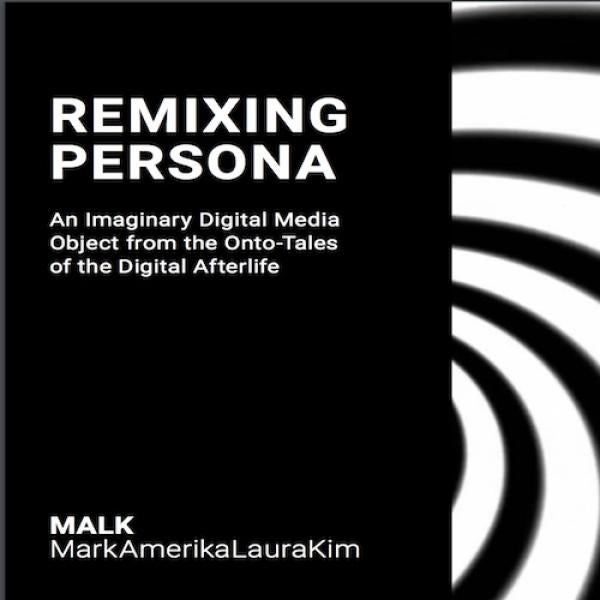
Remixing Persona
Remixing Persona: An Imaginary Digital Media Object from the Onto-Tales of the Digital Afterlife is the inaugural titled published in the Open Humanities Press MEDIA : ART : WRITE : NOW series. Playfully presenting their research as an intergenerational and intercultural ‘research band’ named MALK (TECHNE Director Mark Amerika and IAWP PhD student Laura Kim), the artwork is comprised of two components: a visual manifesto that doubles as a theoretical e-reader and a work of music video art. Remixing Persona is now available.

Fatal Error
The TECHNE Lab is researching and developing a speculative form of Artificial Creative Intelligence (ACI) to investigate machine learning and what the Surrealists referred to as pure psychic automatism. The project is titled FATAL ERROR and our research papers, performances and installations were recently accepted at both CHI 2020 in Honolulu and WeRobot 2020 in Ottawa. CHI is the premiere international conference of Human-Computer Interaction and WeRobot is the premiere international conference on law and policy relating to robotics. Fatal Error is now available.

Brutal Realities
Brutal Realities exposes how contemporary artists confront their shifting nature of reality in digitally mediated culture. This manifests through various artistic mediums but focuses on artists working in the field of new media art. Presented primarily through video, sound, animation, photography, performance, and digital manipulation, the exhibition features artists who have shown their work nationally and internationally, all of whom have developed their work while living in Colorado. Find out more about the exhibition Brutal Realities.

Intermedia Art, Writing and Performance (IAWP)
TECHNE faculty and Graduate students have been instrumental in the development of a new practice-based PhD in Intermedia Art, Writing and Performance (IAWP) located in the College of Media, Communication and Information. PhD students in the program work with faculty to investigate and invent emerging forms of digital art, digital humanities, electronic literature and multimedia performance. Read more about the program and creative research opportunities in IAWP.

2018: TECHNE Lab Exhibitions in New York
In summer 2018, TECHNE had two exhibitions in New York City featuring faculty and current and former students affiliated with lab over the last 15 years. The exhibitions included 3-D animation, digital murals, video net art, VJ glitch aesthetics, and art of The Resistance.The exhibitions took place in two venues, Made in NY in DUMBO Brooklyn and on Governors Island. Featured exhibition artists included TECHNE alumni Rick Silva, Melanie Clemmons, Nick O'Brien and Paul Echeverria. Learn more about the exhibition.

MOOC
MOOC is a long-form work of video performance art featuring artist Mark Amerika. In the video, Amerika portrays an unnamed professorial persona who mocks the trendy MOOC online course format. In this particular course, an Introduction to Digital Art, Amerika’s persona reads like a mashup of presidential candidate Bernie Sanders and comedian Larry David, an attuned pedagogical performance artist who playfully satirizes the contemporary art scene, digital culture, cult branding, selfie-mythology, and the neoliberal systems of higher education. Watch the MOOC.

Digital Afterlife
Digital Afterlife is a work of music video art by MALK, a digital art persona produced by TECHNE Director Mark Amerika and PhD candidate Laura Kim. The work features the two artists performing an original avant-pop song that layers film and video imagery from historic science fiction cinema, contemporary new media artworks, and online meme culture. Filtered through a kitschy MTV video vernacular, Digital Afterlife investigates the way 21st century media and information behaviors have been internalized by digital natives as part of an innate persona-making process. Watch the video and read the IDMO
Micro-Cinematic Essays on The Life and Work of Marcel Duchamp
A collaborative conceptual art album featuring the writing and vocals of Mark Amerika and the sound design of electronic music composer Chad Mossholder. The work remixes the vocals and writings of Amerika and Duchamp and has been exhibited at the Museum of Contemporary Art in Denver, The Power Plant Contemporary Art Gallery (Toronto) and The Eli & Edythe Broad Art Museum. Listen to the album.

Museum of Glitch Aesthetics
Museum of Glitch Aesthetics tells the story of The Artist 2.0, an online persona whose personal mythology and body of digital artworks are rapidly being canonized into the annals of art history. Originally commissioned by Abandon Normal Devices in conjunction with the London 2012 Olympics and launched in Manchester, UK, the project has since been exhibited in solo exhibitions in London, Honolulu and Havana. Visit the Virtual Museum.

2057
2057 is a collaborative sound project by TECHNE director Mark Amerika and IAWP PhD graduate Ryan Ruehlen. The artists have composed seven unique music tracks as well as a limited edition artist book and a tape cassette that feature a new style of conceptual sound art they have tagged cyberbop jazz poetics. The work is available at Bandcamp.

HIAFF
The Histories of Internet Art: Fictions and Factions project is one of the first online exhibitions of net art created by students in the TECHNE lab from the years 2000 - 2007. It features video presentations, student-conducted interviews and net art works by major artists. Visit the exhibition.
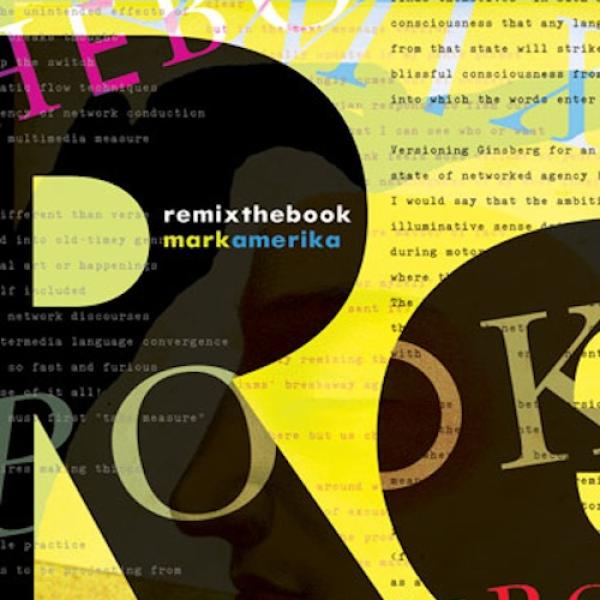
Remix The Book
In addition to being a print book published by the University of Minnesota Press, remixthebook expands the concept of scholarly writing and publishing to include digital and performance art forms composed for networked and mobile media environments. View this groundbreaking work in the digital humanities on the remixthebook website.